
Possible Future Trends in Real Estate in Delhi NCR
26, December 2025
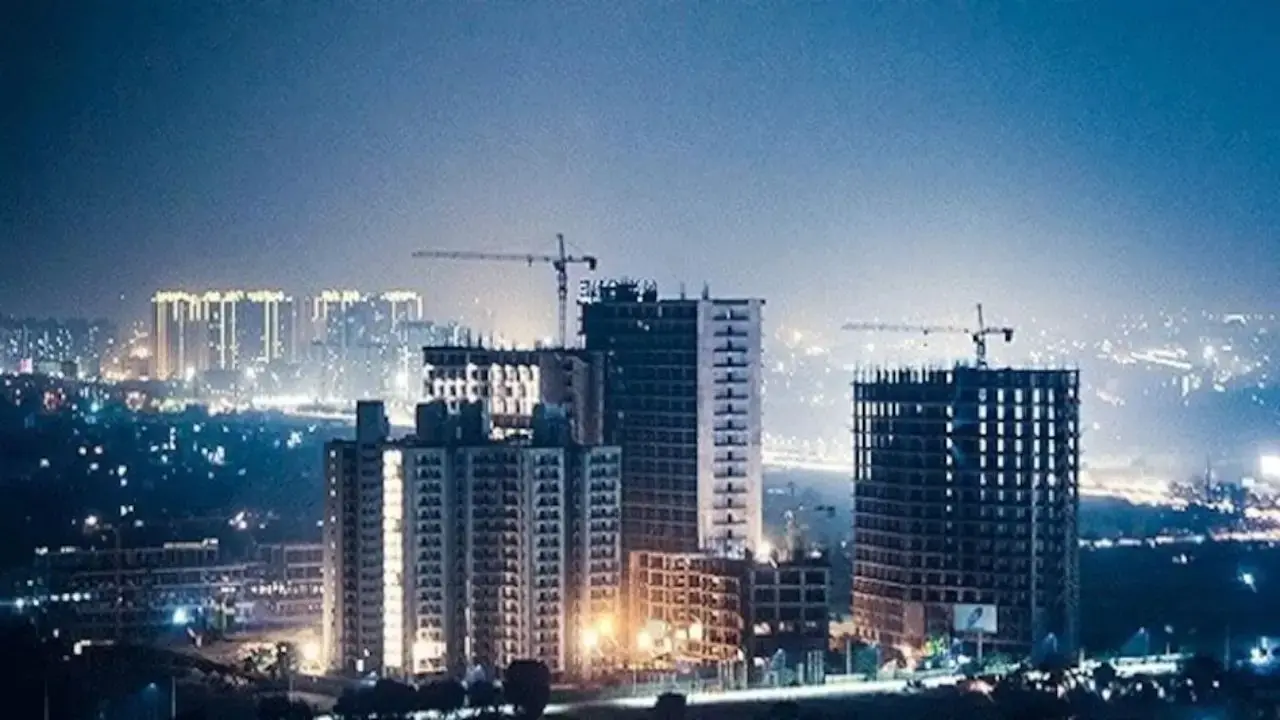
Delhi-NCR has consistently remained one of India’s most influential and fast-evolving real estate markets. With rapid urbanisation, large-scale infrastructure projects, policy reforms, and changing buyer preferences, the region is witnessing a clear shift in how real estate is planned, developed, and consumed. From luxury residences and plotted developments to commercial hubs and integrated townships, Delhi-NCR continues to attract end-users as well as long-term investors.
1. Infrastructure-Led Growth Will Dominate the Market
Infrastructure development will continue to be the strongest catalyst for real estate growth in Delhi-NCR. Projects such as the Noida International Airport (Jewar), Dwarka Expressway, Delhi-Meerut RRTS, metro expansions, and new expressways are redefining accessibility across the region.
Improved connectivity reduces travel time, expands employment catchments, and opens new areas for residential and commercial development. Locations that were once considered peripheral are rapidly transforming into high-potential real estate destinations. As infrastructure reaches completion, property values in nearby areas are expected to see sustained appreciation.
2. Rising Demand for Luxury and Premium Housing
Luxury housing has emerged as one of the fastest-growing segments in Delhi-NCR. High-net-worth individuals, NRIs, and affluent end-users are increasingly investing in premium homes that offer larger spaces, exclusivity, and lifestyle-driven amenities.
Micro-markets such as Golf Course Road, Dwarka Expressway, Southern Peripheral Road, and select sectors of Noida are witnessing strong demand for high-end apartments, villas, and branded residences. This trend is expected to continue as buyers prioritise comfort, privacy, and long-term value over compact living.
3. Steady Growth in Mid-Segment and Affordable Housing
While luxury housing dominates headlines, the mid-segment and affordable housing categories will remain the backbone of Delhi-NCR’s real estate market. End-users from salaried and first-time buyer segments continue to look for well-connected, value-driven homes.
Areas such as Dwarka Expressway, Gurgaon, Noida Extension, Greater Faridabad, Sohna, Farukhnagar, Pataudi and parts of Ghaziabad are expected to see consistent demand due to competitive pricing and improving infrastructure. Government initiatives, better financing options, and urban expansion will further support this segment in the future.
4. Emergence of New Real Estate Hotspots
The future of Delhi-NCR real estate will be shaped by emerging corridors that offer high growth potential:
- Jewar & Yamuna Expressway: Boosted by the upcoming international airport, industrial zones, and logistics hubs.
- Dwarka Expressway: Rapidly evolving into a premium residential and commercial belt.
- Sohna Road & South Gurugram: Affordable and mid-segment housing with strong connectivity.
- Greater Faridabad (Neharpar): Planned development, wide roads, and improving social infrastructure.
These locations are expected to deliver strong capital appreciation over the next decade.

5. Integrated Townships and Plotted Developments on the Rise
There is a growing preference for integrated townships and plotted developments that offer a balanced lifestyle. Buyers increasingly seek low-density living, independent floors, and plots that provide flexibility and long-term appreciation.
Plotted developments under government-backed schemes and private townships with schools, healthcare, retail, and green spaces are gaining popularity, especially among families looking for peaceful yet well-connected living environments.
6. Expansion of Commercial Real Estate and Mixed-Use Projects
Delhi-NCR remains a major commercial hub, driven by IT, startups, MNCs, and service industries. Future trends indicate strong demand for Grade-A office spaces, business parks, and mixed-use developments that combine offices, retail, and residences.
Flexible workspaces and co-working models will continue to grow, catering to startups and hybrid work cultures. Commercial development near metro stations, expressways, and business corridors will see higher absorption rates.
7. Technology and Smart Living Will Shape Buyer Choices
Technology adoption is transforming real estate development and buying experiences. Smart homes with automation, energy-efficient systems, and digital security features are becoming standard expectations.
From virtual property tours and AI-driven analytics to online documentation and transparent transactions, various property solutions are enhancing buyer confidence and convenience. In the future, technology-enabled communities will command premium value.
8. Sustainability and Green Development as Key Priorities
Environmental concerns such as air quality, water conservation, and energy efficiency are influencing buyer preferences. Developers are increasingly adopting green building practices, rainwater harvesting, solar energy systems, and eco-friendly construction materials.
Sustainable developments not only reduce environmental impact but also offer long-term cost savings, making them attractive to environmentally conscious buyers and investors.
9. Rental Market Growth and Investment Opportunities
The rental housing market in Delhi-NCR is expected to remain strong due to continuous migration for education and employment. Areas close to business hubs, IT parks, and transit corridors will witness higher rental demand.
Institutional investors and developers may increasingly focus on rental housing, co-living, and student accommodation, offering stable returns and long-term income opportunities.
10. Regulatory Reforms and Market Transparency
Regulatory frameworks such as RERA have significantly improved transparency and accountability in the real estate sector. These reforms have boosted buyer confidence and encouraged organised development.
Future policy initiatives focused on ease of doing business, faster approvals, and urban planning will further strengthen Delhi-NCR’s real estate ecosystem.
Addressing these challenges will be crucial for maintaining long-term market stability.
Conclusion:
The future of real estate in Delhi-NCR looks promising, driven by infrastructure expansion, evolving lifestyle preferences, and increased investor confidence. Luxury housing, integrated townships, plotted developments, and emerging corridors will define the next phase of growth.
For homebuyers and investors alike, Delhi-NCR offers diverse opportunities across segments and budgets. Those who align their decisions with infrastructure growth, connectivity, and sustainability trends are likely to benefit the most in the years ahead.